Guide
Signage Materials: Acrylic, ACP, Flex and Vinyl
Compare acrylic, ACP, flex, vinyl and wood for shop signs in Assam, with practical uses, 2026 costs, weather limits and questions to ask before you buy.
By Anupam Saikia, Founder, LuitwavePublished Updated
Short answer
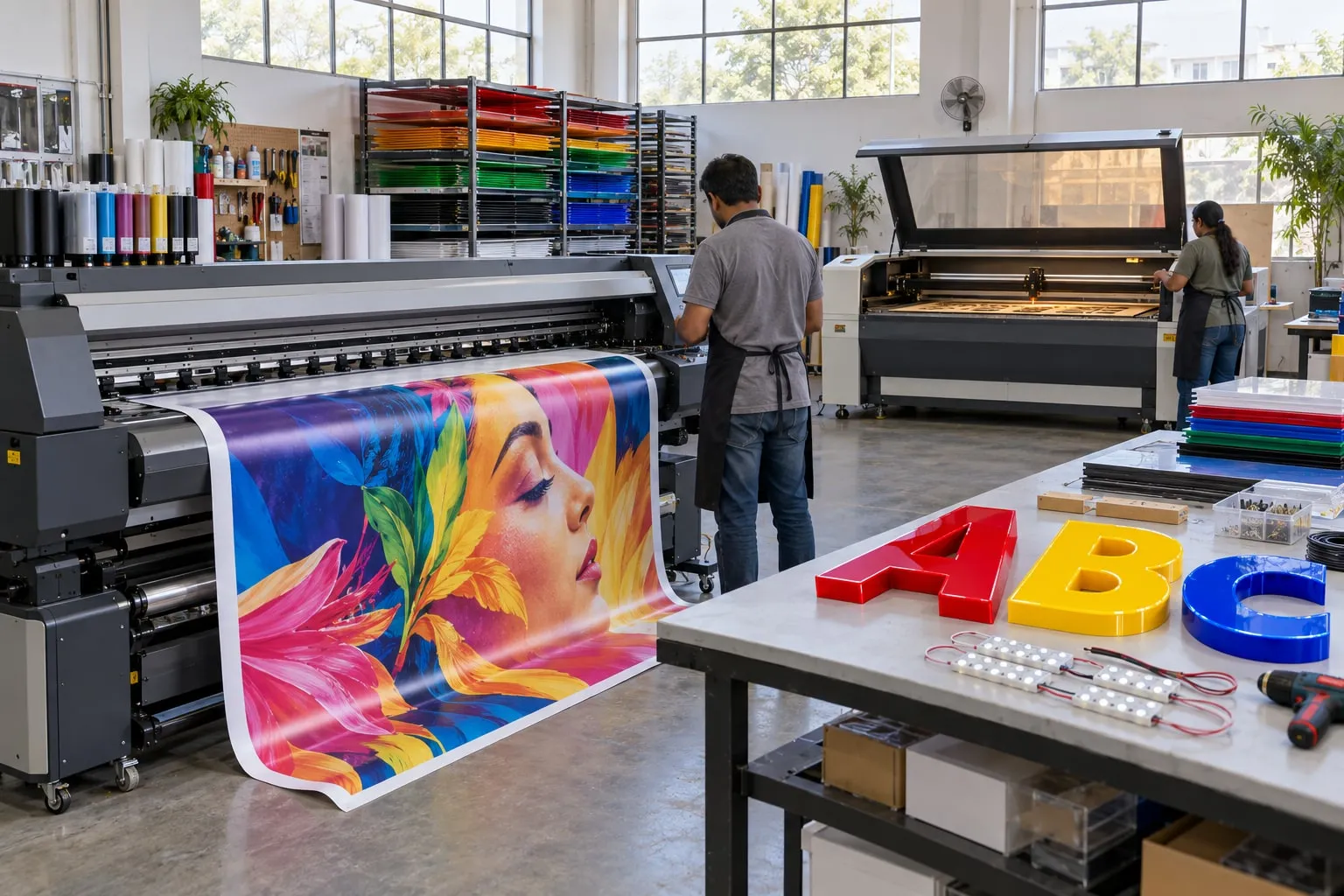
Acrylic suits crisp letters, close-view signs and lit faces. ACP is a rigid, opaque backing and cladding panel. Flex is the lowest-cost option for large printed faces and glow boxes. Vinyl is adhesive film for glass, walls and vehicles. Wood suits interiors and covered spots. Luitwave in Jorhat recommends choosing by viewing distance, lighting and weather first.
Two quotes can both say “acrylic sign” and describe very different builds. The acrylic may be only the face, while the frame, backing, lighting and installation carry most of the cost.
Key takeaways
- Acrylic: cut letters, lit faces and close-view signs.
- ACP: rigid, opaque fascia, backing and box sides; it cannot be a lit face.
- Flex: the cheapest large printed face, for banners, hoardings and glow boxes.
- Vinyl: adhesive film for glass, walls, panels and vehicles.
- Wood: warm finish for interiors and covered entrances; needs care outdoors.
This guide explains what each common signage material does. Prices are Luitwave’s indicative 2026 rates, and where a price refers to a finished sign rather than raw material, that is stated.
How do the main signage materials compare?
| Material | What it is | Good uses | Main limitation |
|---|---|---|---|
| Acrylic | Rigid plastic sheet that can transmit light | Cut letters, lit faces, nameplates | Costs more than print and can crack under impact |
| ACP | Aluminium composite panel | Backing, returns, flat outdoor panels | Opaque, so it cannot be a backlit face |
| Flex | Printed PVC-coated fabric | Banners, hoardings, glow box faces | Printed colour fades and the face can tear |
| Vinyl | Adhesive film | Glass, vehicles, flat panels and walls | Needs a clean, compatible surface |
| Wood | Solid or engineered wood | Sheltered nameplates and interiors | Moves and weathers when repeatedly wet |
What is acrylic good for?
Acrylic is a rigid sheet available in clear, opal and coloured versions. It can be laser cut into letters or used as the face of a light box. Opal acrylic diffuses LED light evenly, while clear acrylic suits nameplates and printed graphics.
Luitwave’s non-lit acrylic panels cost ₹320 to ₹480 per square foot, and complete backlit acrylic boards ₹550 to ₹850 per square foot, or ₹850 to ₹1,200 for a premium board. Individual 3D letters cost ₹280 to ₹1,400 each, depending on height, depth and lighting.
Acrylic suits:
- Shop names and logos viewed from a few metres away
- Reception signs and clinic plates
- Backlit faces with clean, solid-colour graphics
- House and door nameplates
Acrylic is less efficient for a sign with many lines of small text, because every letter needs cutting, positioning and sometimes wiring. Printed flex or vinyl handles dense information at lower cost.
Ask which acrylic thickness and grade the quote includes. UV exposure, heat, cleaning chemicals and sheet quality all affect ageing, and no reputable maker should promise an acrylic face will look unchanged after ten years. See shop sign board options for complete builds.
What is ACP used for?
ACP means aluminium composite panel: thin aluminium skins bonded to a core. Sign makers use it for flat background panels, box returns and cladding around letters because it is light, rigid and does not rust like bare steel.
ACP is priced as part of a finished sign or cladding build rather than as raw sheet. Luitwave charges ₹180 to ₹300 per square foot for ACP fascia cladding, supplied and fitted, and ₹250 to ₹400 per square foot for an ACP board with cut vinyl lettering. Panel grade, finish, supporting frame, graphics and fitting all affect the quote.
ACP suits:
- A flat backing behind acrylic letters
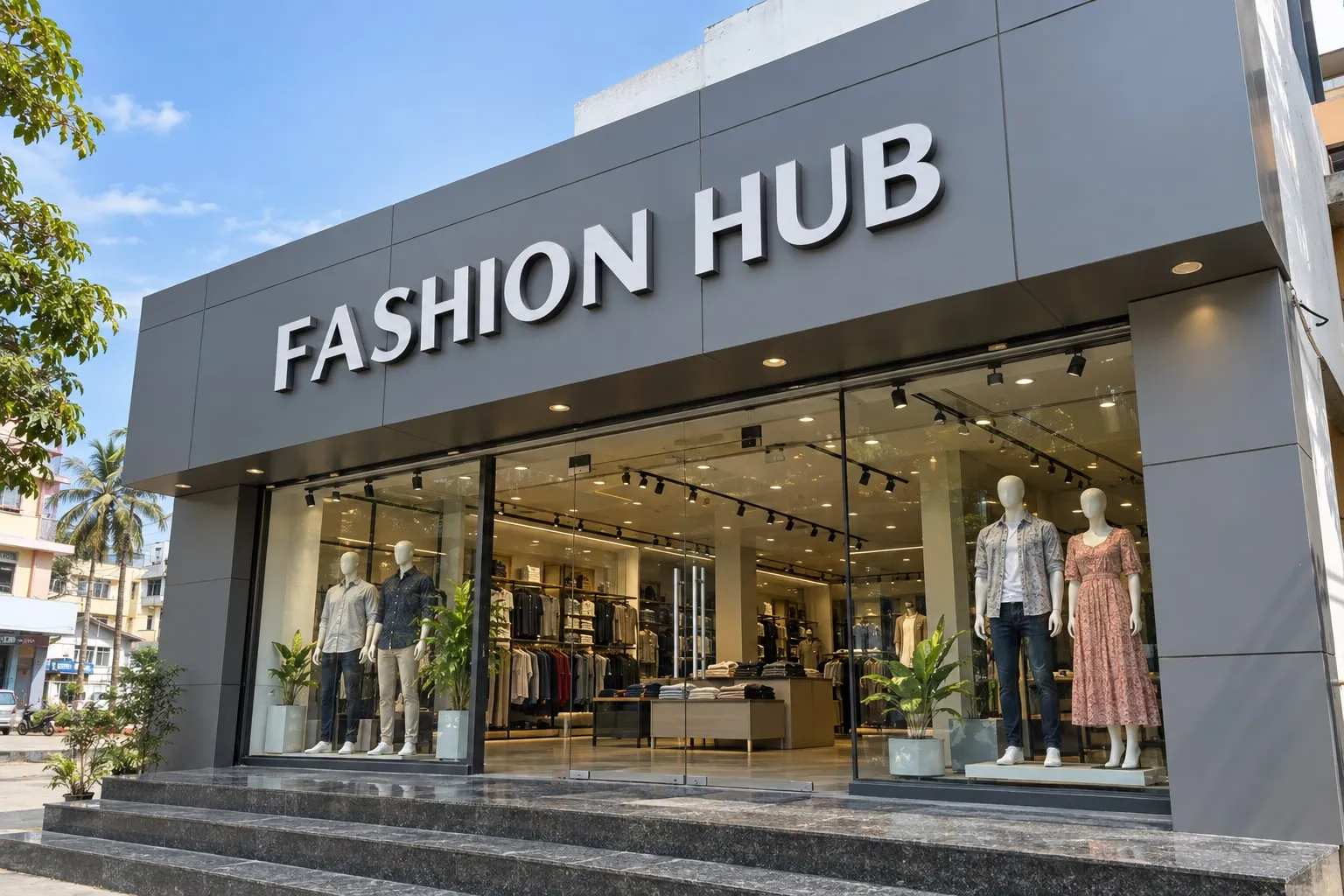
- Shop fascia cladding and sign box sides
- Door, department and direction signs
- Outdoor panels that do not need to transmit light
The cut edges and fixing details matter. Poorly supported panels can bow, and damaged edges can let water into the bond. If the ACP forms part of building cladding rather than a small sign, ask the architect or fire consultant to specify the correct grade.
What is flex and when should you use it?
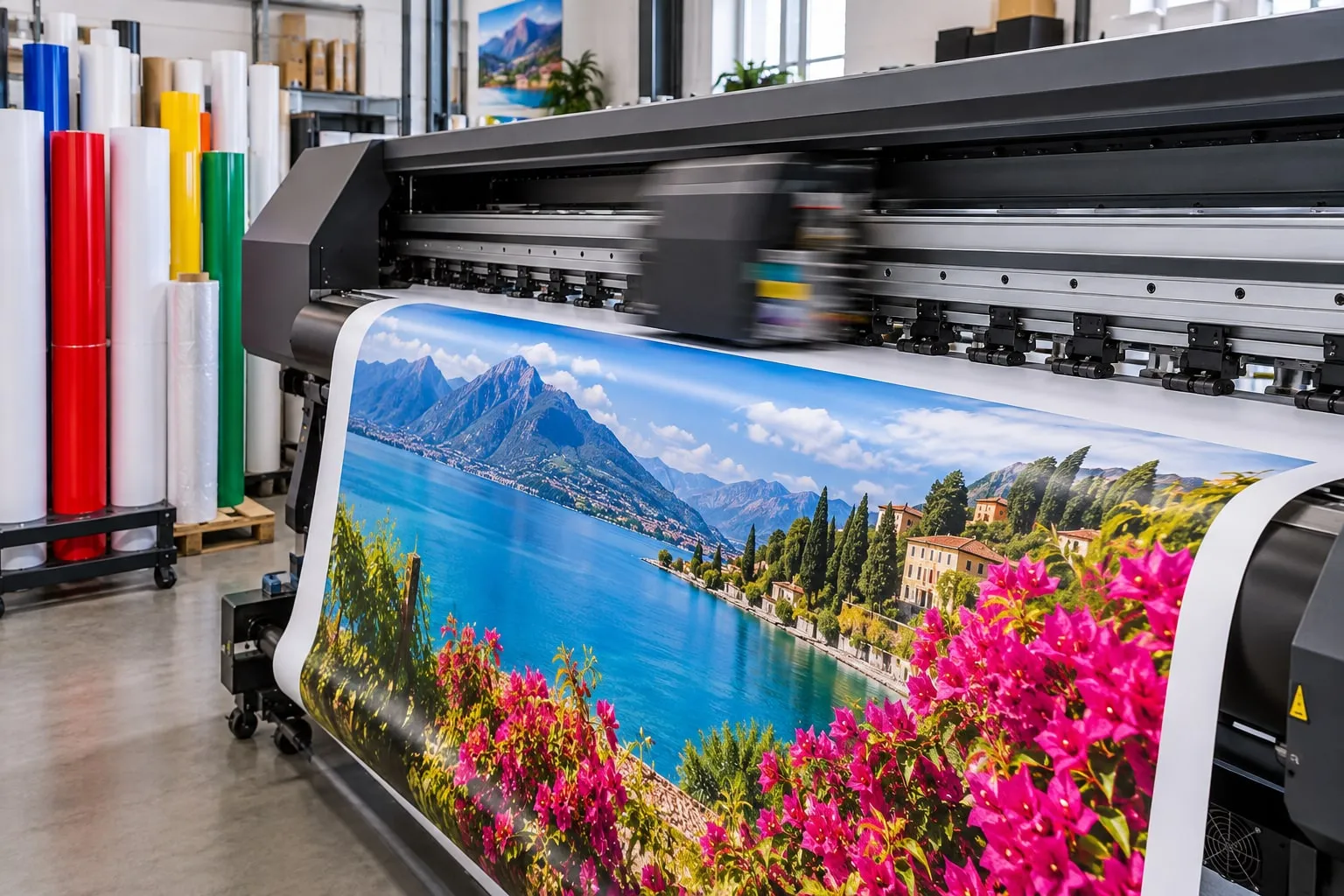
Flex is a PVC-coated polyester fabric printed on a wide-format machine. Front-lit flex is lit from the viewer’s side, backlit flex is translucent and sits over LEDs inside a glow box, and blockout flex has an opaque layer so a print on one side does not show through the other.
| Flex type | Luitwave print price per sq ft |
|---|---|
| Standard front-lit flex | ₹14 to ₹20 |
| Star flex | ₹22 to ₹30 |
| Backlit flex | ₹38 to ₹55 |
A finished frame or glow box costs more because it includes structure, lighting and fitting.
Flex suits:
- Event and opening banners
- Large promotional faces and hoardings
- Glow sign boxes with several lines of information
- Short-term campaigns where the artwork will change
Outdoor print life varies with ink, face quality, tension, orientation and UV exposure. An exposed glow face generally needs replacing when fading becomes noticeable, often after three to five years; a sheltered face may last longer. See the large format printing guide and large format printing prices.
What is vinyl used for?
Sign vinyl is adhesive film supplied as coloured cut material or as printable white film. Common types include frosted film, one-way vision, reflective vinyl and cast wrapping film for curved surfaces.
Luitwave charges ₹45 to ₹75 per square foot for printed, laminated vinyl. Cut lettering on glass costs ₹280 to ₹550 per square foot, because each character is weeded and applied by hand. Vehicle and specialist films are quoted by the job.
Vinyl suits:
- Opening hours and logos on shop glass
- Privacy bands on office partitions
- Vehicle graphics
- Smooth ACP, acrylic and painted panels
The surface decides whether vinyl stays on. Dust, damp, loose paint and heavy wall texture lead to early lifting, and new paint must cure for the period the paint manufacturer specifies. For outdoor prints, ask whether lamination is included: it protects the ink from abrasion and cleaning but does not make a print permanent.
When is wood the right material?
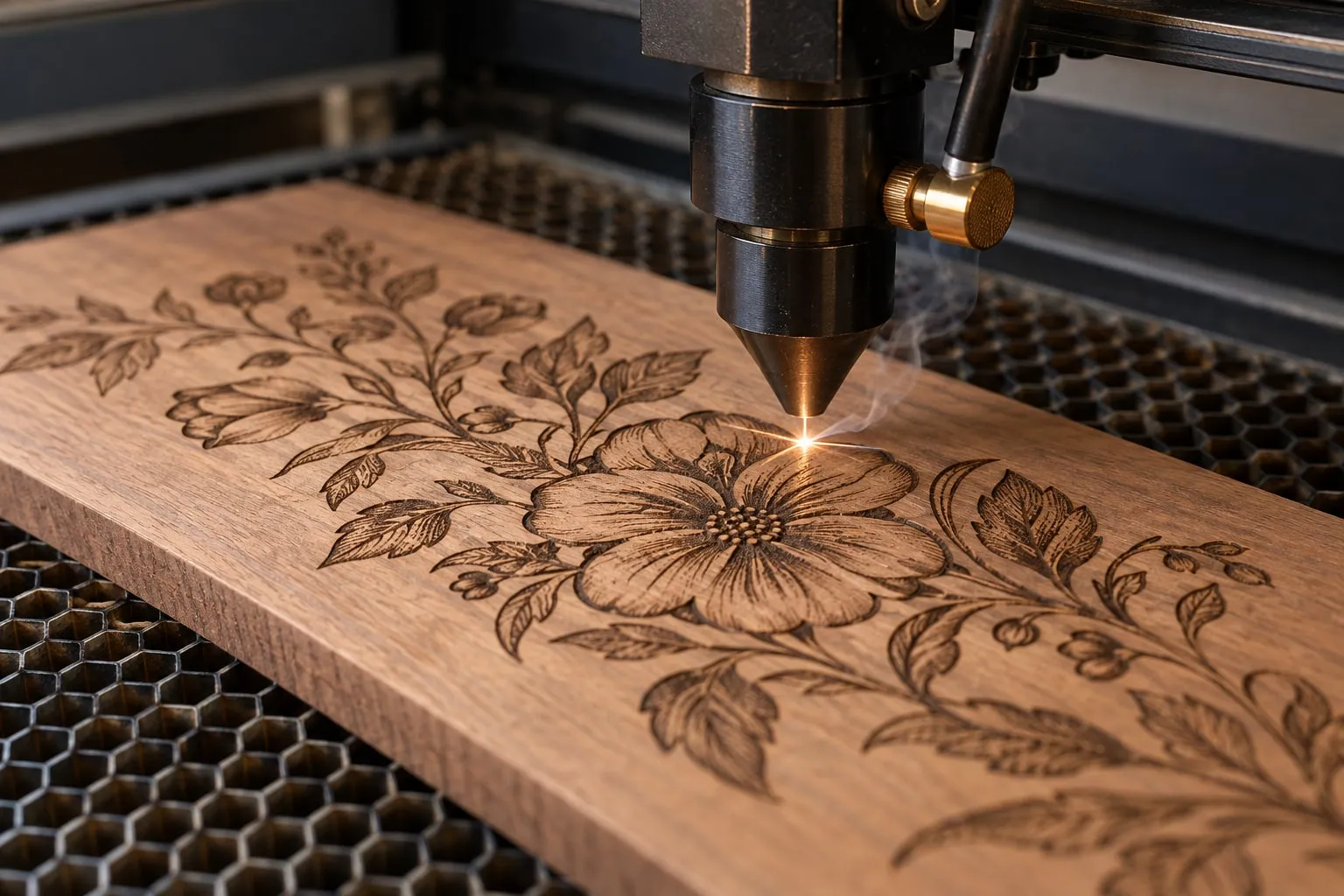
Wood gives engraved nameplates and interior signs a quality printed plastic cannot imitate. It can be cut, engraved and colour filled, but it absorbs and releases moisture, so location matters.
Luitwave’s wooden nameplates cost ₹1,499 to ₹3,200, and larger laser-cut panels ₹1,800 to ₹9,000. See laser engraving and cutting.
Use wood for sheltered nameplates, café interiors, desk plates, awards and wall pieces. For an open gate that takes full rain and afternoon sun, choose acrylic, a steel-finish plate, stone or a metal-finish laminate unless you are prepared to refinish the wood. Ask what wood or board is used and how the edges are sealed, because “weatherproof wood” is too vague to compare.
How do you choose the right signage material?
Start with the viewing distance
At close range, edges, depth and surface finish are easy to see, so acrylic, engraved laminate and wood can justify their cost. Across a road, letter height, contrast and lighting matter more than whether the face is dimensional.
Check sun, rain and cleaning
Note whether the sign sits under a roof, faces strong afternoon sun or catches water from an AC drain. Indoors, consider fingerprints, cleaning products and knocks from chairs or trolleys.
Decide whether the message will change
A printed face or vinyl graphic is easy to replace, while cut letters suit a name that will stay the same. Keep changing prices, offers and phone numbers off an expensive permanent fascia where possible.
Compare the complete assembly
The face is only one layer. Ask for the backing, frame, fixings, LEDs, driver, wiring, finish and installation in the quote, because that is the only fair way to compare two recommendations.
Send Luitwave a site photo, the viewing distance and the wording on WhatsApp for a recommended build. You can also compare acrylic and flex sign boards or see LED glow sign boards.
Frequently asked questions
What is the difference between ACP and acrylic in signage?
ACP (aluminium composite panel) is two thin aluminium skins bonded to a core. It is rigid, light and opaque, so it works as a fascia, backing or box return but cannot be a backlit face. Acrylic is a solid plastic sheet that can be clear, opal or coloured, so it can be laser cut into letters and can transmit light.
Which sign material lasts longest in Assam's weather?
No material is permanent. ACP and good acrylic handle sun and rain well when properly supported and sealed. Printed flex and vinyl fade faster in direct sun, often needing replacement after three to five years outdoors. Wood needs regular refinishing if exposed. Position, orientation, fixings and drainage matter as much as the material.
Is flex or vinyl better for a shop sign?
They do different jobs. Flex is a printed PVC-coated fabric used for banners, hoardings and glow box faces. Vinyl is an adhesive film applied to a smooth surface such as glass, ACP, acrylic or a vehicle panel. A glow sign board usually uses backlit flex; door lettering and window graphics use vinyl.
How much do common signage materials cost at Luitwave?
At Luitwave's 2026 rates, standard flex printing costs ₹14 to ₹20 per square foot, backlit flex ₹38 to ₹55, and printed laminated vinyl ₹45 to ₹75. Non-lit acrylic panels cost ₹320 to ₹480 per square foot and complete backlit acrylic boards ₹550 to ₹850, or ₹850 to ₹1,200 for a premium board. ACP fascia cladding costs ₹180 to ₹300 per square foot supplied and fitted, and an ACP board with cut vinyl lettering ₹250 to ₹400.